Desk Lamp Buying Guide: Reach, Controls, and Light Where You Work
A desk lamp should light the task you perform without dominating the surface or putting its source directly in your view. This buying guide focuses on practical selection and product information. It does not promise medical benefits, better eyesight, or a universal light setting for every person and room.
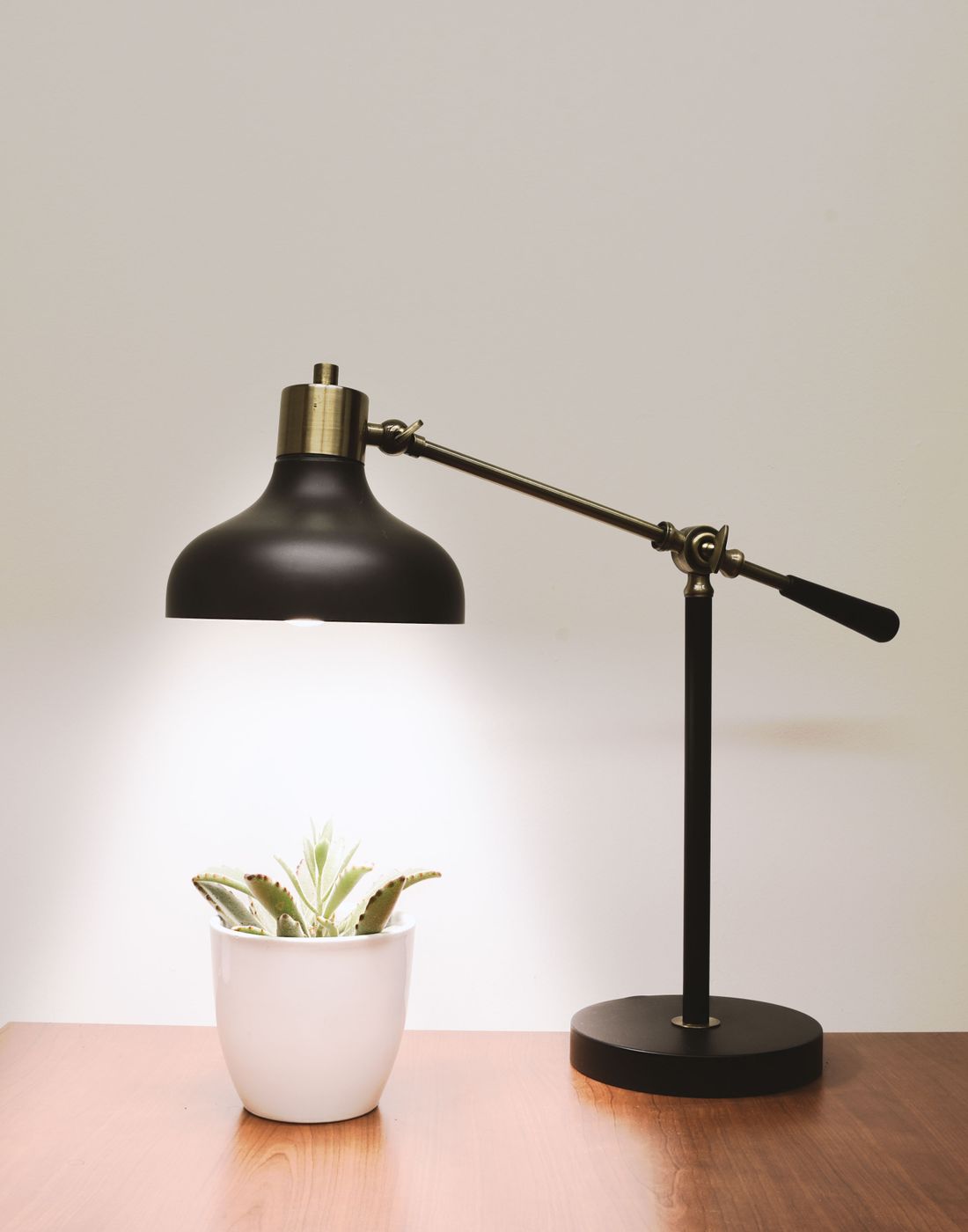
Photo: Eneida Nieves · License. Illustrative stock photography.
Describe the task and the available surface
List what you do at the desk: handwriting, reading, drawing, video calls, or screen work. Mark the area that needs additional light and the space occupied by the monitor, keyboard, and notebook. A lamp with a compact base may still require room for an articulated arm. Photograph the working desk rather than clearing everything for the measurement. The product needs to function around real equipment and the normal movement of your hands.
Compare output information thoughtfully
Lumens describe light output, while watts describe power use; one number does not replace the other. The amount reaching your work also depends on the lamp's design, distance, angle, and room lighting. Do not buy by an arbitrary brightness target detached from the task. Where available, review output, dimming, and beam information together. A dimmable lamp can provide flexibility, but its lowest and highest useful settings matter more than the number of steps advertised.
Check reach, height, and adjustment
Measure the distance from a possible base or clamp position to the task area. Consider whether the lamp can reach that area without leaning across your view or colliding with a screen. Test how firmly adjustable joints hold their position when used as intended. A clamp requires a compatible surface and edge clearance; it is not suitable for every desk. Use the manufacturer's limits and do not improvise mounting hardware to make an incompatible design fit.
Think about reflections and shadows
Try a comparable light position at the times you normally work. Notice reflections in glossy screens and whether your writing hand blocks the page. A shaded or adjustable source can help direct light, but the details depend on the desk and room. Keep useful ambient lighting in the plan instead of expecting one small task lamp to solve every lighting need. Choose a setup by how the page and equipment look in use, not by the atmosphere of a product photograph.
Review controls and power requirements
Make sure you can reach the switch and dimming controls from your normal position. Some products remember settings; others reset when power is interrupted. If using a USB-powered lamp, check the required adapter, cable, and power specification rather than assuming every available port will operate it properly. Avoid routing the cord across a walking route or where furniture can pinch it. Use supplied or specified components and follow the exact product instructions.
Check serviceability before ordering
Determine whether the light source is replaceable and, if so, what type the lamp requires. For integrated designs, review the warranty and any supported replacement or repair options. Consider how the shade, joints, and surface can be cleaned. A lamp should be easy to adjust and maintain, not merely impressive on arrival. Compare the full footprint, useful controls, and ownership information before treating an extra color mode or charging feature as a decisive advantage.
Your working checklist
Checkmarks stay in this browser when storage is available. They do not submit a form or complete a booking.
Put it into practice
- Map the task area on your normally occupied desk. Note the position of your writing hand, screen, and available power, then measure possible base or compatible clamp locations.
- Compare exact products for reach, adjustment, output information, and control placement. Reject options that cannot light the required area without obstructing the screen or consuming essential surface space.
- Trial the light position where possible at a normal working time. Check shadows, reflections, dimming, and the stability of the lamp, using only the mounting method and components specified by the maker.
- Review adapter requirements, cleaning, replaceable parts, and ownership support. Choose the lamp that covers your tasks comfortably and remains simple to operate rather than the one with the longest feature list.
Before you finish
- Task area is measured
- Reach is sufficient
- Base or clamp is compatible
- Reflections were considered
- Power requirements are clear
- Service options are understood
Common questions
Are more watts always brighter?
Not across different lamp technologies and designs. Compare stated light output and the way the lamp directs it. Watts describe power consumption, while the useful light on your work also depends on position and optics.
Do I need adjustable color temperature?
It can be a useful preference, but it is not essential for every desk. Prioritize adequate task coverage, suitable adjustment, manageable reflections, and controls you can reach during normal use.
Can a task lamp replace all room lighting?
Usually it is better considered as one part of the setup. The room and task determine the result. Avoid expecting a narrow pool of light to solve every visibility or reflection issue around a desk.