Wireless Headphones Buying Guide Without the Model Rankings
There is no single wireless headphone that is best for every listener. Commutes, shared workspaces, calls, travel, and home listening place different demands on the same product. This framework helps compare current specifications and permitted trials without pretending that we have hands-on tested the models.
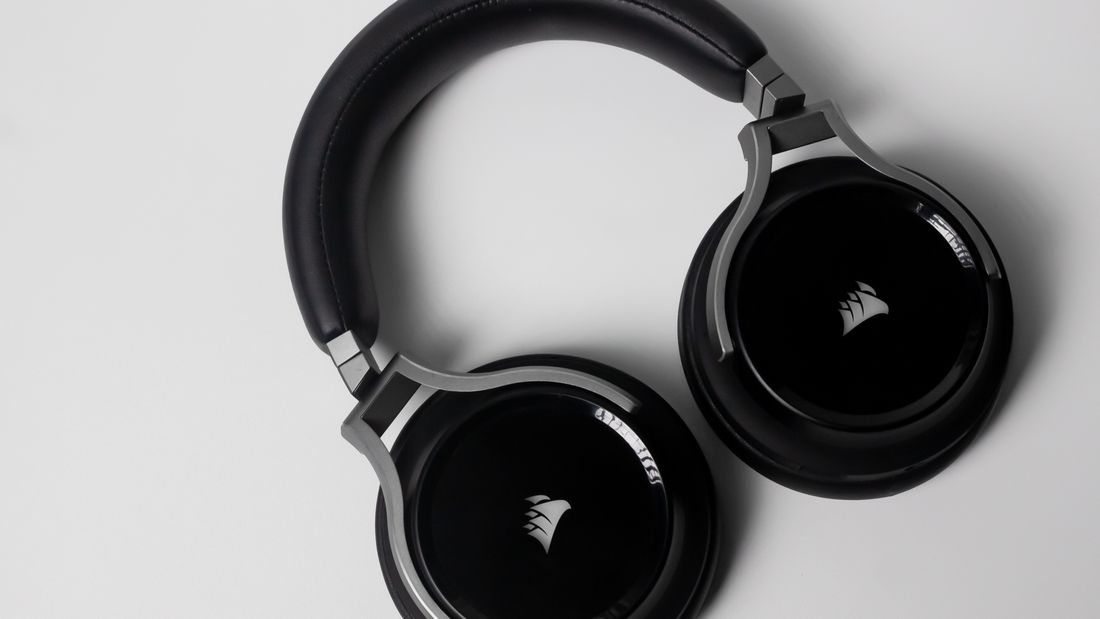
Photo: Sogi . · License. Illustrative stock photography.
Write the main listening routine
Choose the activity that matters most and one secondary use. A headphone bought mainly for calls needs different attention from one intended for occasional music at home. List the devices involved, how long a typical session lasts, and whether portability matters. Note glasses, hairstyle, or other ordinary factors that may affect how a headband or earcup sits. The brief should reflect your real routine instead of a collection of impressive but unused features.
Compare the fit style in use
Over-ear, on-ear, and in-ear designs feel different and pack differently. Where a suitable trial is available, wear the product long enough to notice pressure, slipping, and control access. Do not infer comfort from low weight alone. For earbuds, follow the maker's fit and tip guidance and keep hygiene and return restrictions in mind. A product that performs well on paper may still be a poor personal fit, and software does not remove a physical mismatch.
Distinguish pairing from simultaneous connection
Check whether the exact model supports your desired device-switching behavior. Remembering several paired devices is not the same as maintaining a multipoint connection, and implementation can vary. Confirm the supported combination of phone, computer, operating system, and app features in the manufacturer's current documentation. If you alternate between a laptop call and phone audio, compare that exact workflow. Do not assume a general Bluetooth version number promises the switching behavior you want.
Read noise and call claims separately
Active noise cancellation, passive isolation, transparency features, and microphone processing serve different roles. Performance may vary with fit, environment, and settings, so a broad marketing claim does not tell you how your specific call will sound. Seek a permitted trial or reliable documented information about the exact model. Noise cancellation is not automatically hearing protection. Preserve appropriate awareness of your surroundings and follow local requirements when using headphones outside or around transport.
Check battery and charging in context
Read the conditions behind a stated battery figure, including whether noise features are enabled. Your settings, calls, volume, and age of the battery can affect actual use. Check the charging connector, included cable, adapter requirements, and whether any wired mode or quick-charge claim has restrictions. For earbuds, distinguish earbud runtime from the total supplied by a charged case. Choose a charging routine you can maintain instead of relying on an ideal maximum figure alone.
Review controls, software, and replaceable parts
Try the buttons or touch controls you will use most often, including during calls. Check app compatibility, account requirements, firmware support, and how key functions work without the app. Review replacement ear cushions, tips, cables, and service options where relevant. A foldable design is useful only if its storage and hinges suit your routine. Pick the model whose ordinary actions are easy and whose limitations are documented rather than treating the longest specification list as a ranking.
Your working checklist
Checkmarks stay in this browser when storage is available. They do not submit a form or complete a booking.
Put it into practice
- Describe the main use, typical session length, and devices involved. Choose the few requirements that would make the purchase worthwhile instead of collecting features without a defined workflow.
- Compare physical designs and try the fit where permitted. Check control access and portability, and read any applicable hygiene or trial conditions before assuming an unsuitable fit can be returned.
- Verify the exact model's connection, call, noise-feature, and charging behavior in current manufacturer documentation. Keep pairing memory, multipoint connection, and app-dependent features separate in your notes.
- Review care, replaceable parts, and support, then choose by the complete routine. Retain the specifications you relied on and test the important functions promptly within the seller's applicable terms.
Before you finish
- Main use is prioritized
- Fit has been considered
- Exact switching behavior is checked
- Noise claims are separated
- Charging conditions are understood
- Support options are reviewed
Common questions
Does pairing with two devices mean multipoint?
No. A headphone may remember several devices but connect for audio to only one at a time. Check the exact model's supported simultaneous connections and switching behavior in its documentation.
Is active noise cancellation the same as hearing protection?
No. Do not treat a consumer noise feature as certified protective equipment. Use the product within its instructions, listen responsibly, and keep suitable awareness of your surroundings.
Should I choose by the longest battery claim?
Only after reading the test conditions and separating the headset's runtime from any charging-case total. Charging convenience, fit, device compatibility, and your ordinary session length may matter more.