Picnic Blanket Buying Guide for Parks, Beaches, and Easy Packing
The right picnic blanket is large enough for the people and belongings using it, practical to carry, and manageable to clean afterward. A styled photograph rarely shows the full load. Use the actual outing to decide whether padding, a backing, or a compact folded size matters most.
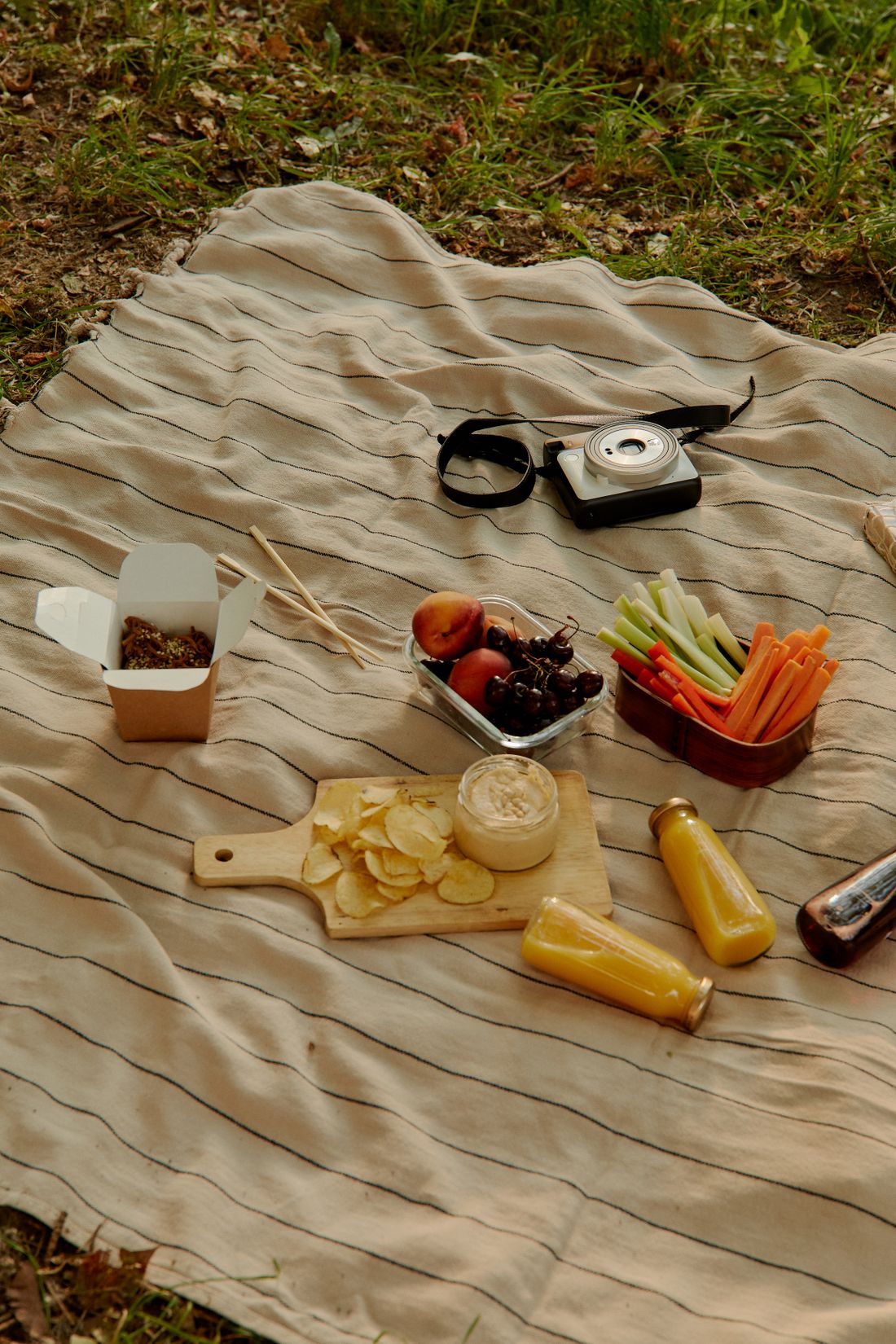
Photo: Darina Belonogova · License. Illustrative stock photography.
Map the people and belongings
Think about the normal group, how people sit, and what else goes on the blanket. A picnic with food containers needs a different footprint from a short reading stop with one bag. Mark a likely area on the floor at home and arrange the items before comparing advertised sizes. Include some separation between shoes and food where practical. The usable area should support the activity, not simply match a generic two-person or family label.
Match the surface and setting
Grass, sand, and a maintained park lawn behave differently, and the condition can change after rain. Check venue rules and choose an appropriate place to sit rather than expecting a blanket to make every surface suitable. A backing may help separate the top fabric from ordinary ground moisture, but read the exact product claim and care instructions. Waterproof fabric language alone does not establish that seams, edges, and every use will remain dry.
Compare packed shape as well as weight
Measure the folded or rolled bundle and decide where it goes in the bag or vehicle. A carry handle or strap is useful only if it stays attached and does not make the load awkward. Try the folding sequence and note whether the blanket must be folded precisely to fit its carrier. A slightly bulkier product that can be packed easily by the normal user may be more practical than a compact design with an elaborate refolding routine.
Choose the surface texture and padding
Consider whether you want a soft sitting surface, easy sand removal, or a thin layer that packs small. More padding may add bulk and can change drying time. Do not assume softness in a product image indicates how the fabric behaves with crumbs or damp clothing. Where possible, inspect a sample or the maker's material description. The right texture depends on the outing, and there is no need to choose a heavily padded design for every short stop.
Check cleaning and drying before purchase
Read whether the whole blanket can be washed, whether only spot cleaning is permitted, and how it should dry. Layers, coatings, straps, and foam can have different care limitations. Make sure the product can be cleaned using the facilities you actually have. Do not seal a damp blanket in storage after the outing. A practical picnic kit includes a plan for the messy return journey, not just the clean folded bundle that leaves the house.
Keep the rest of the outing simple
Pair the blanket with the food, waste, and carrying plan rather than building a large equipment collection. Secure loose belongings appropriately for the conditions without improvising unsafe anchors. Keep the area tidy and follow the location's rules for waste and permitted activities. This guide does not claim to cover weather hazards or food safety. A good buying decision supports an ordinary prepared outing and acknowledges that changing conditions may require choosing another place or postponing the plan.
Your working checklist
Checkmarks stay in this browser when storage is available. They do not submit a form or complete a booking.
Put it into practice
- Lay out the people and items expected on the blanket using a marked floor area. Decide the smallest footprint that remains comfortable for the activity rather than choosing by a generic person-count label.
- Identify the normal surface and likely transport method. Compare exact backing claims, packed shape, weight, and handle arrangement, and check any relevant rules for the planned venue.
- Try the folding sequence where possible and read all cleaning and drying instructions. Reject a care routine that is unrealistic for your household, even if the material looks attractive.
- Pack a trial outing load and plan the return with used items. Choose the blanket that fits the complete routine, then clean and dry it as instructed before storing it for the next trip.
Before you finish
- Usable footprint was tested
- Surface suits the product
- Venue rules are checked
- Packed bundle fits
- Care method is manageable
- Dry storage is planned
Common questions
Does water-resistant backing guarantee a dry picnic?
No. Conditions, seams, edges, placement, and the exact product limitations matter. Choose a suitable site and do not use a backing claim as assurance that every wet surface is appropriate.
Is more padding always better?
Not necessarily. It may improve one preference while adding weight, bulk, and drying requirements. Compare the ordinary sitting surface and carrying routine before paying for a feature you rarely need.
Should I buy by the advertised number of people?
Use the actual dimensions instead. People sit differently and may also need room for bags and food. A quick full-size test at home is more informative than a generic capacity label.