Reusable Water Bottle Buying Guide: Capacity, Lid, and Cleaning
A reusable bottle is useful when it fits the place you carry it and is easy to clean after use. Capacity, lid style, weight, and maintenance matter together. This guide covers product selection rather than a personal hydration target or claims that a particular bottle improves health.
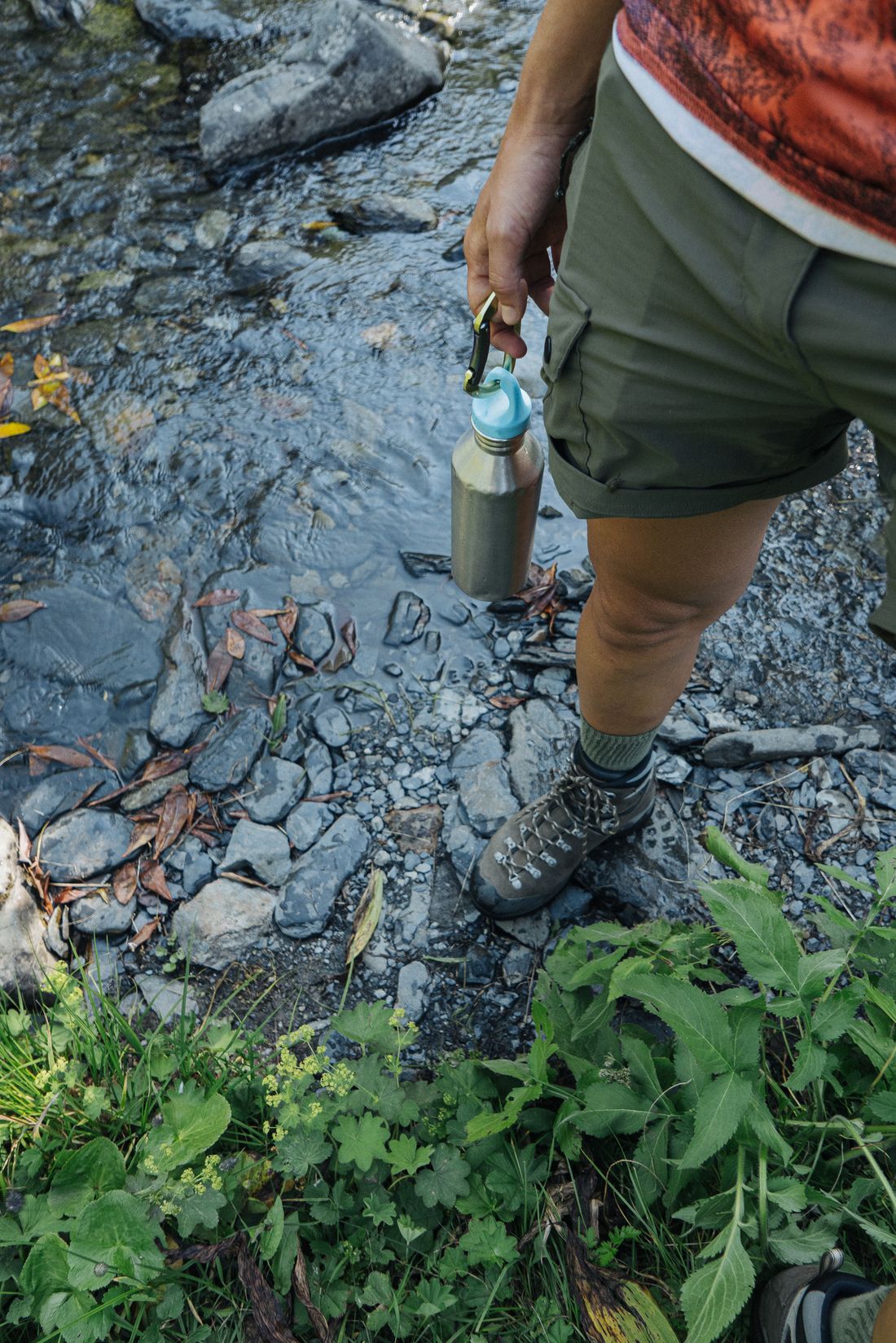
Photo: Darina Belonogova · License. Illustrative stock photography.
Choose capacity around refill opportunities
Think about where you can refill during an ordinary day and how much space the bottle occupies between those stops. A very large bottle may be convenient on a desk and awkward in a small daypack. Include the weight of the filled bottle when comparing carrying options. This is a practical capacity choice, not a recommendation for how much any individual should drink. Your needs and activities are separate from a product's advertised size.
Measure the destinations
Check the diameter and height of a bottle pocket, desk location, cupboard, or vehicle cup holder you intend to use. Include the lid, handle, and any protective boot in the external measurements. A nominal capacity does not tell you the shape. If the bottle will be packed beside electronics, inspect the exact closure's transport claim and instructions. Do not assume a straw or open tumbler lid is suitable for being carried sideways inside a bag.
Compare lids as working mechanisms
A screw cap, flip lid, straw, or sip opening changes how you drink and how many parts require cleaning. Try the opening motion you will use most often and check whether seals or straws can be removed as instructed. More components can add convenience but also maintenance. Confirm what the lid is intended to hold and whether there are temperature restrictions. A lid compatible with one use is not automatically appropriate for hot, carbonated, or other beverages.
Balance material and insulation
Compare weight, care, durability information, and whether temperature retention matters to the routine. An insulated bottle can be useful for long periods away from a refill, while a simpler bottle may be lighter and easier to inspect. Avoid universal claims that one material is always best. Read the exact product's supported use and limitations. A large handle or wide opening can be valuable, but both also affect packing and the way the bottle fits in storage.
Read cleaning instructions for every part
Check the bottle, lid, straw, seal, and any sleeve individually. Dishwasher suitability can differ by model, generation, or component, so a brand-wide assumption is unreliable. Make sure you can reach the interior with suitable cleaning tools and dry parts according to the product's guidance. Do not buy a complicated lid if the required disassembly will be skipped. A bottle that is easy to maintain in your household is more useful than an impressive design that rarely gets cleaned properly.
Consider replacement parts and daily storage
Look for documented availability of compatible lids, seals, straws, or other wear parts when that matters to you. Check the exact generation and size rather than assuming similarly shaped parts are interchangeable. Decide where the bottle will dry and live when not carried. A simple daily routine includes emptying, cleaning as appropriate, drying, and checking the closure before packing. Choose the product that fits this routine, with aesthetics as a preference rather than the only selection criterion.
Your working checklist
Checkmarks stay in this browser when storage is available. They do not submit a form or complete a booking.
Put it into practice
- Describe the places you carry and refill a bottle, then choose a practical capacity range. Consider the weight when full without treating bottle size as a personal daily drinking target.
- Measure the storage and carrying positions, including the bag pocket or cup holder. Compare the exact bottle's full external dimensions and the lid's intended transport position against those spaces.
- Inspect lid operation, removable parts, and beverage restrictions. Read the cleaning instructions for each component and confirm that the required tools and drying space fit your household routine.
- Review compatible replacement parts and choose the simplest design that meets the use case. Test the closure as instructed before packing it near sensitive belongings, and retain the model-specific care information.
Before you finish
- Refill routine is realistic
- Filled weight is manageable
- External dimensions fit
- Lid use is appropriate
- Each part can be cleaned
- Replacement compatibility is clear
Common questions
Are all bottles from the same brand dishwasher-safe?
No. Care can vary by model, generation, and component. Read the specific instructions for the bottle and lid rather than relying on a broad assumption about the brand.
Is the biggest capacity the best choice?
Only if it suits your carrying and refill routine. Larger capacity adds filled weight and may not fit storage spaces. Choose the product size around practical use, separately from individual hydration needs.
Can every insulated bottle hold hot drinks?
No blanket assumption is appropriate. The bottle and especially the lid must support that use. Check temperature and beverage restrictions on the exact product before filling it.