Walking Shoe Fit: A Practical Try-On and Buying Checklist
Walking shoes should fit the person, the ordinary route, and the socks used with them. A popular model is not automatically a good personal match. This is a shopping and fit checklist, not a diagnosis, treatment plan, or recommendation for a specific medical condition.
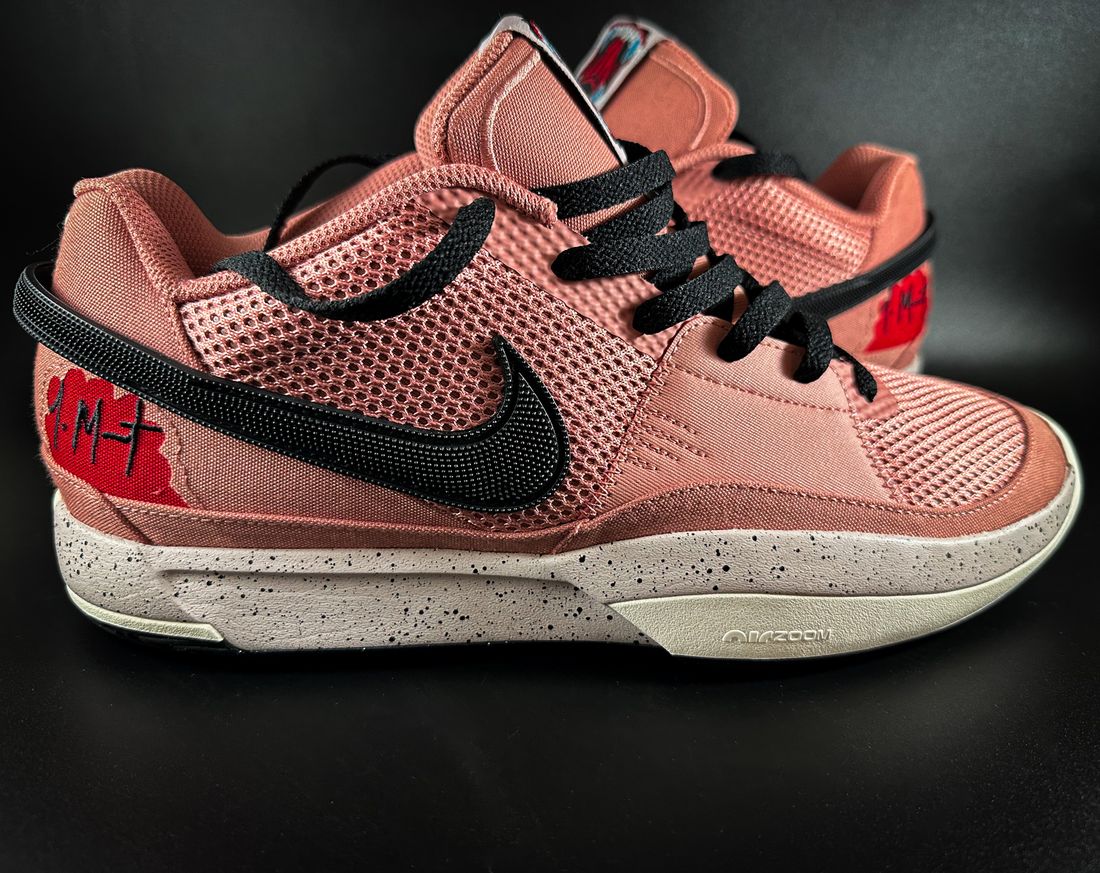
Photo: Terrance Barksdale · License. Illustrative stock photography.
Describe the walking you actually do
List the common surfaces, typical outing length, weather, and whether the shoe also needs to work for commuting or travel. City pavement, maintained park paths, and more demanding terrain can lead to different product choices. Separate everyday preferences from specialist needs. If you have persistent pain, a known condition, or individualized footwear requirements, seek appropriate professional guidance rather than choosing from a general buying checklist. The purpose here is to make an ordinary try-on more deliberate.
Use the socks and inserts you intend to wear
Bring the relevant socks and any compatible insert you already use under appropriate guidance. Different thicknesses change the available room, and the store sample setup may not reflect your routine. Try both shoes and allow time to adjust the closures correctly. Do not assume the size that worked in another brand or model will fit identically. Read the manufacturer's fit information as context, then evaluate the exact pair rather than treating a label as the final answer.
Check space and hold together
Notice whether the toes can move comfortably, the heel stays acceptably positioned, and the upper presses or rubs during ordinary movement. A wider size is not simply a substitute for extra length, and lacing cannot correct every shape mismatch. Avoid assuming uncomfortable pressure will automatically disappear after break-in. Ask a knowledgeable fitter about alternatives if the pair does not feel right. A good comparison describes what happens in the shoe instead of reducing the decision to a single size number.
Walk rather than only standing
Use a permitted clean trial area and walk, turn, and change pace gently as appropriate. Notice slipping, contact at the toes, and how the closure behaves. If the shop has suitable approved features for checking movement, ask how to use them. Do not test a shoe in unsafe conditions or assume a showroom trial proves performance on all outdoor surfaces. The goal is to identify obvious fit problems before purchase, not to simulate an entire trip in a few minutes.
Compare construction for your setting
Review the upper, outsole description, flexibility, weight, and weather-related claims in the exact product information. More cushioning, more stiffness, or more waterproofing is not automatically better for every user and route. Consider tradeoffs such as ventilation, drying, packability, and how the shoe feels during the trial. Avoid medical or injury-prevention conclusions from a marketing feature. Choose footwear intended for the setting and do not expect one casual shoe to cover every specialized activity.
Read the trial and care conditions
Check the seller's applicable return and wear restrictions before taking the pair outdoors. Some trials must remain indoors or keep packaging intact, while other sellers have different conditions. Review cleaning, drying, and replacement guidance from the maker. Keep a note of the exact model and size if the fit works, but recheck future versions rather than assuming every update is unchanged. A careful first purchase is useful; it is not a permanent exemption from trying shoes on again.
Your working checklist
Checkmarks stay in this browser when storage is available. They do not submit a form or complete a booking.
Put it into practice
- Describe the everyday walking route and note any specialist requirements that need individual guidance. Bring the socks and relevant compatible items you intend to wear with the new shoes.
- Try both shoes, adjust the closures, and compare the exact pair rather than assuming your size is fixed across brands. Check toe room, heel hold, and pressure during ordinary movement.
- Walk in an approved trial area and compare a small number of alternatives. Describe specific fit differences, and reject a pair that requires hoping an obvious mismatch will disappear later.
- Read the seller's wear and return conditions and the maker's care instructions. Test the important everyday fit features within those terms before using the shoes for a major trip or long outing.
Before you finish
- Route and purpose are defined
- Usual socks are used
- Both shoes are tried
- Pressure and slipping are checked
- Construction suits intended use
- Trial conditions are understood
Common questions
Should I buy the same size in every brand?
No. Model shape and sizing can vary. Use the label as a starting point, then evaluate both shoes with the socks and other compatible items you plan to wear.
Will a tight shoe always stretch enough?
Do not rely on that assumption. Materials and construction differ, and pressure may reflect a shape mismatch. Ask a qualified fitter about alternatives rather than buying a pair that is clearly uncomfortable during an ordinary trial.
Can this guide select shoes for a medical condition?
No. It is a general shopping checklist. Existing conditions, persistent pain, or individualized footwear needs deserve appropriate professional guidance rather than a broad online recommendation.