Rain Jacket Buying Guide: Fit It Over the Layers You Actually Wear
A rain jacket is part of a clothing system, not a substitute for planning around weather and activity. Choose it with the layers, bag, and movements you actually use. This guide focuses on shopping criteria and everyday care rather than extreme-weather instruction or a promise that one jacket suits every condition.
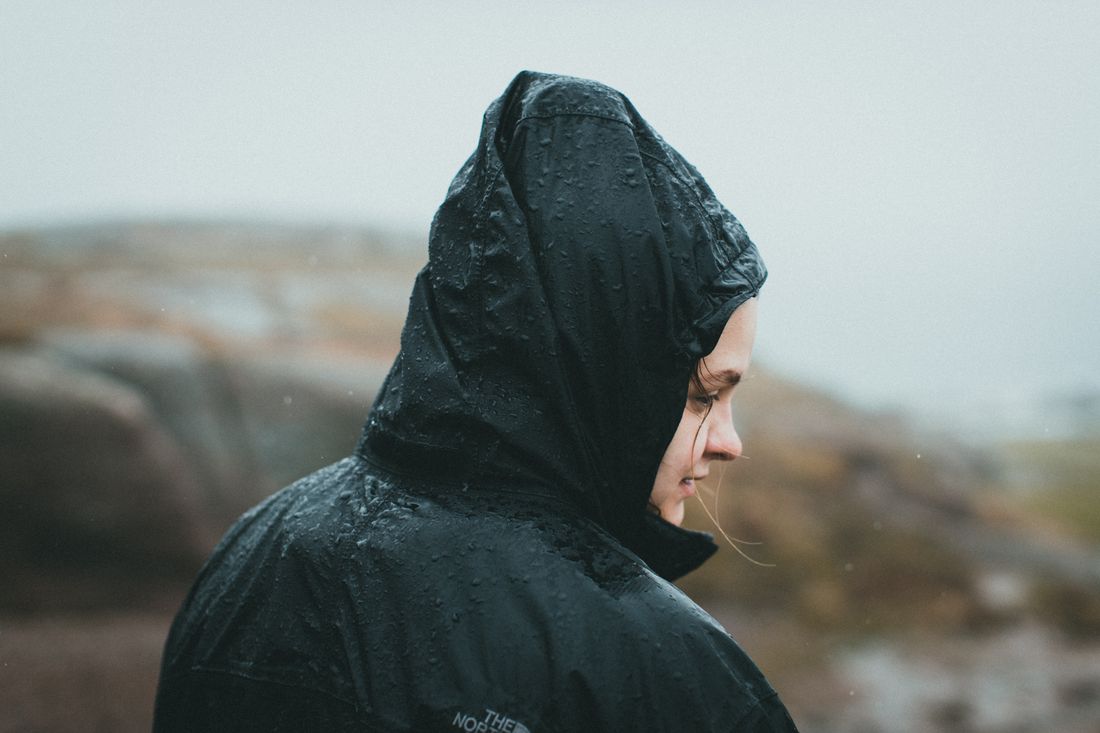
Photo: Jonathan Cooper · License. Illustrative stock photography.
Describe the likely use and conditions
Separate a short urban commute from a more demanding outdoor day. Consider the expected activity, exposure, season, and how long you may remain away from shelter. Product requirements change with those circumstances. Check current conditions and appropriate activity guidance when planning an outing rather than relying on a jacket purchase to make every forecast acceptable. A useful buying brief identifies the normal use first and treats specialized trips as separate needs when necessary.
Read the weather claim precisely
Water-resistant, waterproof, wind-resistant, and breathable describe different characteristics and are not interchangeable labels. Read the exact product's construction, seam information, intended use, and limitations. A water-repellent surface treatment is not the same thing as the whole garment's waterproof construction. Avoid judging a jacket solely by beading water in a photograph. The garment must suit the duration and type of exposure you expect, and marketing language needs to be read in context.
Try the jacket over real layers
Bring the layers you normally wear underneath and close the jacket as intended. Reach forward, lift your arms, turn your head, and sit down. Check whether the hem rides up, the shoulders restrict movement, or the sleeves become awkward with the cuffs adjusted. More room is not automatically better if loose fabric interferes with the activity. The goal is usable movement with the planned layers, not choosing the same size label as an unrelated casual jacket.
Check the hood and closure details
Adjust the hood using the product's instructions and confirm that you can see and turn comfortably. Test the main zipper, cuffs, hem adjustment, and pocket access with the bag straps or clothing you use. Pockets that are easy to reach in a product photo may sit beneath a strap in practice. Decide which controls matter to your routine. Additional features add weight and complexity, so prioritize the ones that improve use in the intended setting.
Compare ventilation and packed practicality
Think about how you manage exertion and changing conditions using the garment's available openings and appropriate layers. A breathable claim does not mean you will never feel damp inside during activity. Compare packed shape and weight if the jacket is often carried rather than worn. Try putting it into the actual bag alongside your usual belongings. An extremely compact design may omit features you value, while a feature-heavy jacket may take more space than your daily kit allows.
Treat care as part of performance
Read the exact jacket's washing, drying, and treatment instructions before purchase. Care requirements differ, and a general instruction from another product may not be suitable. Dirt and wear can affect the surface's water-repellent behavior; follow the maker's guidance before assuming replacement is needed. Store the garment appropriately after it is clean and dry. Keep the model and care information so future cleaning or approved repair decisions rely on the correct product rather than a generic internet shortcut.
Your working checklist
Checkmarks stay in this browser when storage is available. They do not submit a form or complete a booking.
Put it into practice
- Describe the normal activity and exposure, then identify the product characteristics that matter for that setting. Keep specialist or unusually severe conditions separate from an ordinary commuting brief.
- Try the exact jacket over the layers you expect to use. Close and adjust it, then reach, turn, and sit to check that the shoulders, sleeves, hem, and hood remain workable.
- Test pockets and controls with the usual bag and compare packed size with the rest of your load. Read the precise weather claims rather than treating all water-related descriptions as equivalent.
- Review washing, drying, and treatment requirements and confirm that you can follow them. Keep the correct care information, and use current conditions and appropriate activity guidance when planning each outing.
Before you finish
- Use and exposure are defined
- Weather terms are understood
- Real layers fit beneath
- Hood allows usable movement
- Pockets work with the bag
- Care instructions are retained
Common questions
Is water-repellent the same as waterproof?
No. A surface treatment and a garment's overall weather protection are different aspects. Read the exact construction, seam details, intended use, and limitations rather than relying on a single marketing word.
Should I size up automatically for layering?
Not automatically. Brands and patterns vary. Try the exact jacket over your real layers and check movement and adjustment. Excess fabric can be as inconvenient as a restrictive fit in some activities.
Can I use any washing and drying method?
No. Follow the exact garment's label and manufacturer guidance, including any treatment requirements. Do not copy heat settings or cleaning steps from a different jacket merely because both are described as waterproof.