Storage Bin Buying Guide for Small Spaces
A storage bin should make objects easier to find and return. Buying many matching boxes before measuring can create a new layer of clutter. Start with the belongings, the shelf, and the retrieval movement, then choose the few containers that solve a defined storage problem.
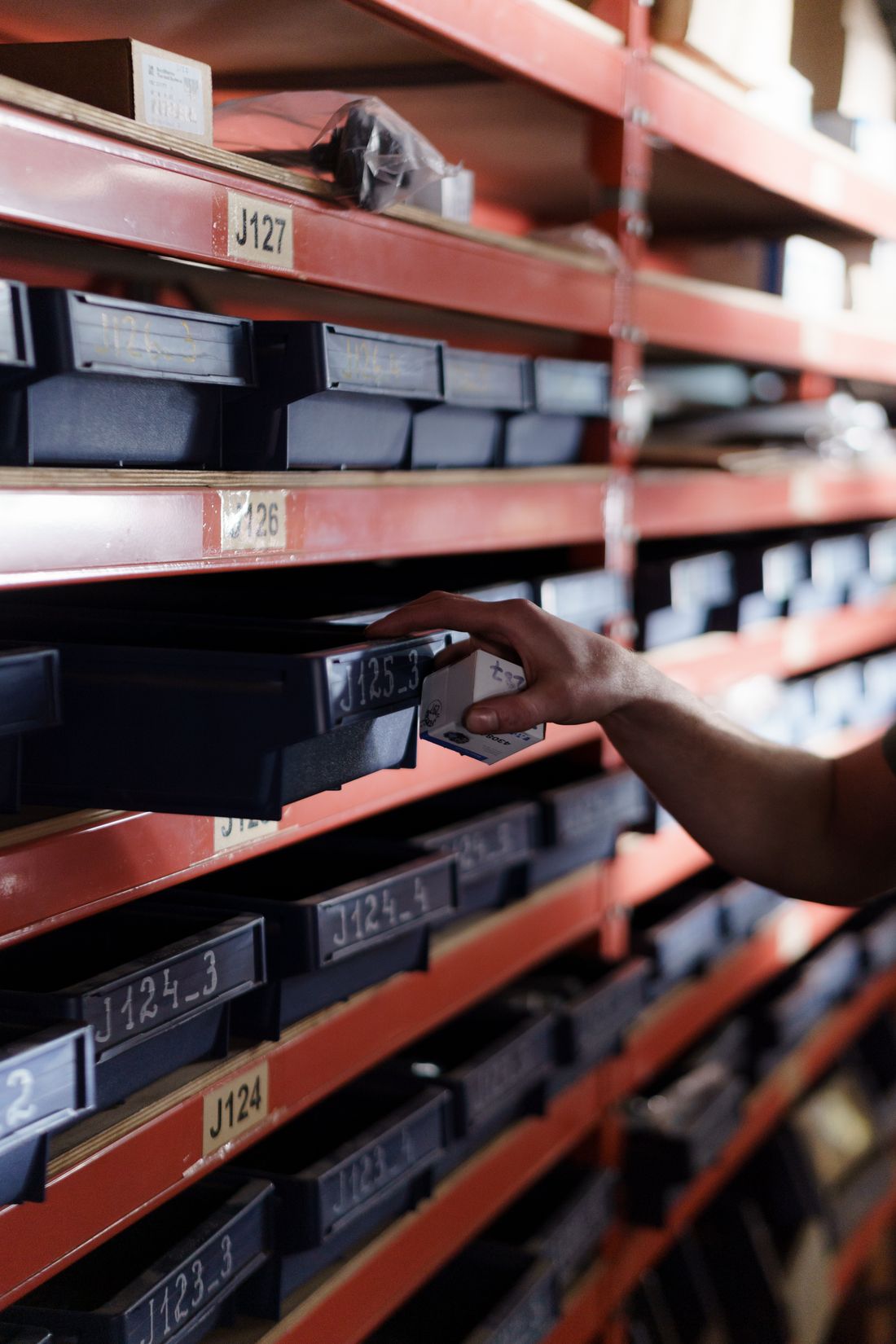
Photo: cottonbro studio · License. Illustrative stock photography.
Define the contents before the container
Group the objects that actually need to live together and remove unrelated overflow. Measure the largest item and consider the total filled weight. A bin for lightweight textiles has different needs from one holding books or equipment. Decide whether the category needs a lid, visibility, separation, or simply a boundary. If the contents are still changing, trial the group in an existing box before buying a rigid system that locks in the wrong dimensions.
Measure inside and outside
External dimensions determine whether a bin fits the shelf; internal dimensions determine whether the belongings fit the bin. Handles, lids, tapered sides, and projecting latches can reduce usable space or block the opening. Measure the shelf's usable depth and the path needed to lift or slide the container out. A bin can fit perfectly at rest and still be unusable because the shelf above leaves no room to grasp it or lift its lid.
Choose access based on frequency
Daily items usually need an easy return path, which may favor an open bin or a simple front opening. Occasional items may suit a lid if the material and storage conditions are appropriate. Do not add a lid merely for a tidy photograph when it will be left beside the container after the first use. The best closure is the one the household can operate consistently. Accessibility depends on the person, location, filled weight, and any lifting or reaching involved.
Check loading and stacking claims
Read the product's intended use, capacity information, and stacking requirements where provided. Do not assume containers can be stacked safely simply because their lids appear flat. Keep heavy contents manageable and do not overload the shelf or furniture beneath. A container is not a step or seat unless explicitly designed as one. If vertical storage requires anchoring furniture, keep that separate requirement in the plan rather than treating bins as a substitute for proper furniture setup.
Compare visibility and labeling
Clear sides make some contents easy to identify, but visual privacy may be preferable for other categories. Opaque bins need a readable label on the edge visible in storage. Use plain category names that another household member can understand. Leave the label editable until the arrangement proves useful. A complex code can be satisfying to create and frustrating to maintain when one box changes purpose. The label should reduce searching, not require a separate index for ordinary household items.
Consider cleaning and future change
Check material care and whether the shape can be cleaned and dried using your normal routine. Avoid trapping damp items in closed storage. Think about how unused bins will be stored and whether a modular promise actually suits the shelf and contents. Buy one trial unit before a large set when fit is uncertain. A good storage purchase works with the current inventory and leaves enough flexibility for the category to change without replacing every container.
Your working checklist
Checkmarks stay in this browser when storage is available. They do not submit a form or complete a booking.
Put it into practice
- Gather one category and measure its largest item and approximate filled weight. Define the problem as access, containment, protection, or identification before choosing a type of container.
- Measure the shelf opening and retrieval path, then compare exact internal and external bin dimensions. Include lids, handles, latches, and the room needed to grasp or open the container.
- Trial one bin with the actual contents and normal user. Check the return routine, readable label, appropriate loading, and any stacking requirements without overloading the supporting furniture.
- Use the arrangement for several days before buying more. Adjust the category or container if it repeatedly overflows, hides objects, or requires inconvenient lifting to reach frequently used items.
Before you finish
- Contents are grouped first
- Internal dimensions fit
- External dimensions fit
- Retrieval path works
- Loading instructions are respected
- Visible labels are editable
Common questions
Are clear bins always better?
No. They can help identification, while opaque containers can reduce visual clutter or provide privacy. Choose the visibility level for the contents and use a readable label when needed.
Should I fill every shelf with matching boxes?
Only when each box has a useful role and remains accessible. Leave flexible space for irregular or changing items. Buying a full set before testing one unit can create expensive unused capacity.
Can any flat-lid bin be stacked?
Do not assume so. Follow the exact product's design and loading instructions and consider the supporting surface. A flat appearance is not evidence that a container can safely carry another filled bin.